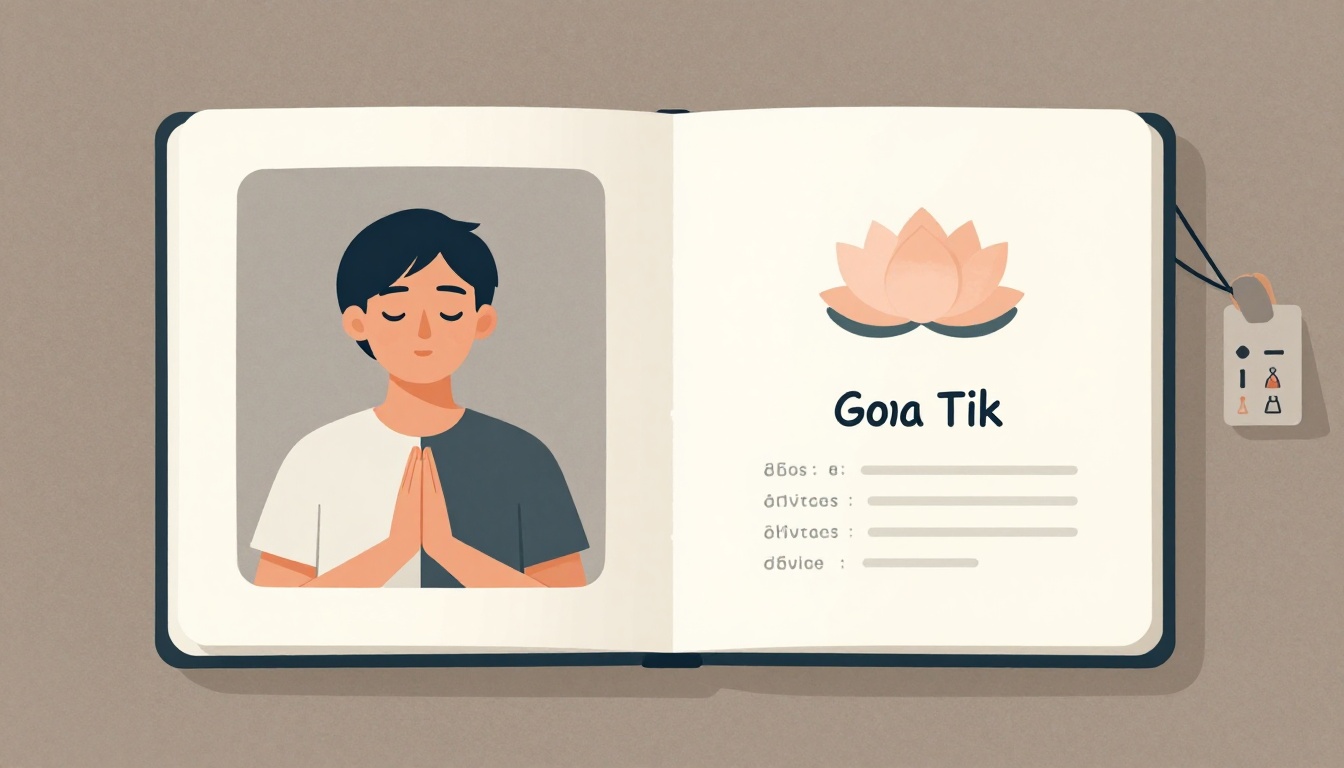
You've built a loyal following in your classes, but when a local magazine or wellness blog wants to feature a yoga teacher, will they find you? A media kit is your professional introduction to journalists, podcast hosts, and event organizers. It's a one-page (or one-PDF) snapshot that tells them who you are, what you teach, and why you're worth featuring. Without one, you're relying on them to piece together your story from a cluttered Instagram feed—and that rarely leads to press.
A well-crafted media kit does more than list your credentials. It positions you as an expert, makes you easy to write about, and saves journalists time. Here's how to build one that gets opened, read, and acted upon.
What is a key element to include in a yoga teacher media kit?
Select one answer.
What to include in your media kit
Your media kit should be concise but complete. Journalists are busy; they want the essentials at a glance. Include these core elements:
- Your bio: A short, third-person bio (100–150 words) that highlights your teaching style, experience, and what makes you unique. Avoid jargon—write for someone who doesn't know yoga.
- High-quality photos: Professional headshots and action shots of you teaching. Use natural light and authentic settings. Avoid overly filtered or cluttered images.
- Your offerings: List the types of classes you teach (vinyasa, yin, prenatal, etc.), your specialties, and any workshops or retreats you lead.
- Credentials and training: Mention your Yoga Alliance certification (e.g., RYT-500) and any notable teachers you've studied with. This builds credibility.
- Testimonials: Include 2–3 short quotes from students or studios. As noted in a guide from Yoga Alliance Professionals, testimonials are powerful social proof—use them to show your impact.
- Contact information: Your email, website, and social media handles. Make it easy for someone to reach you.
- Press mentions: If you've been featured before, list those outlets. Even small mentions add credibility.
How to present your media kit
Your media kit should be easy to access and visually appealing. Here are practical tips:
- Create a PDF: Design a clean, branded PDF that you can attach to emails or link to from your website. Use tools like Canva to make it look professional without hiring a designer.
- Make it downloadable: Put a link to your media kit on your website's contact page or in your email signature. Journalists should find it in one click.
- Keep it to one page: If possible, fit everything on a single page. If you have more to share, add a second page with your full bio or a list of sample topics you can discuss.
- Update it regularly: Refresh your photos, testimonials, and offerings at least twice a year. An outdated kit looks neglected.
Using your media kit to get press
Having a media kit is only half the battle. You need to use it strategically:
- Pitch with purpose: When you reach out to a journalist, don't just attach your kit. Personalize your pitch—mention why you're a good fit for their audience. Your media kit is the supporting evidence, not the pitch itself.
- Share it on social media: Add a link to your media kit in your Instagram bio or LinkedIn profile. As beYogi suggests, social media is a powerful tool for building credibility and reaching new students—your media kit makes that credibility tangible.
- Use it for partnerships: Beyond press, your media kit can help you secure guest teaching spots, collaborations with wellness brands, or speaking engagements. It's a versatile tool.
Common mistakes to avoid
- Too much text: Journalists won't read a novel. Keep your bio tight and your bullet points scannable.
- No clear call to action: Tell them what you want—an interview, a feature, a collaboration. Don't leave them guessing.
- Poor-quality images: Blurry or unprofessional photos undermine your credibility. Invest in a good photographer or use high-resolution images.
- Forgetting your contact info: It sounds obvious, but make sure your email is prominent and correct.
Your media kit checklist
Before you send your kit to anyone, run through this checklist:
- Bio is under 150 words and written in third person
- At least 3 high-quality photos included
- Credentials and specialties listed
- 2–3 testimonials from students or studios
- Contact information is clear and up-to-date
- PDF is cleanly designed and easy to read
- Link to the kit is on your website and email signature
A media kit is a small investment that pays off in visibility and credibility. It's your chance to make a strong first impression before you even step into the room. Start with the essentials, keep it polished, and update it as your career grows.
How the Featured Expert Can Help
Your website is the home base for your media kit—it's where journalists go to learn more about you. If you don't have a professional site yet, Kavi offers done-for-you websites for yoga teachers and wellness pros. For a flat monthly fee, they handle design, hosting, updates, and support, so you can focus on teaching while your online presence works for you. With no upfront cost and a two-week build time, you can have a polished digital studio that makes your media kit shine.
Quiz
What is a key element to include in a yoga teacher media kit?
- High-quality photos
- A list of your favorite yoga poses
- Your daily schedule
Correct answer: High-quality photos